
 Your car’s engine comes alive with a symphony of moving parts every time you turn the key. Oil viscosity plays a vital role in this mechanical ballet. Much like blood in our bodies, this important element determines how well your engine’s components stay protected and lubricated. The right oil does more than just match your vehicle’s specifications. Your engine’s life span depends on how smoothly the motor oil flows and protects at various temperatures. This piece explains the relationship between oil viscosity and your engine’s health and performance.
Understanding Oil Viscosity Fundamentals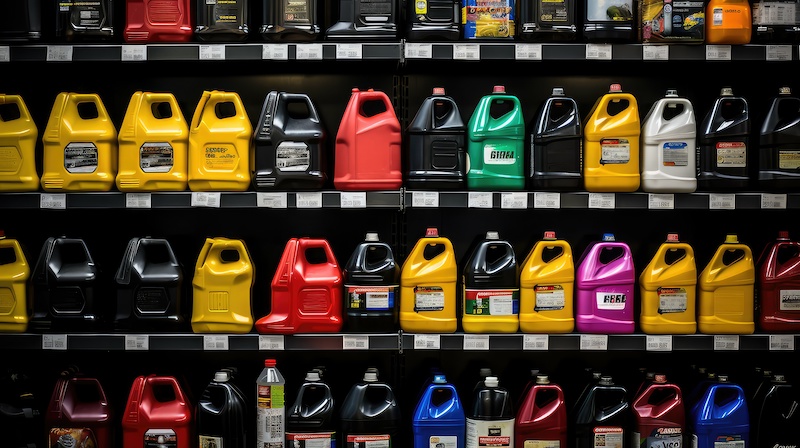
One of the most significant property of your engine oil, viscosity protects moving parts. In short, viscosity affects oil’s resistance to flow and internal friction.
What It Means for Your Engine
Your engine oil has a direct impact on heat generation in bearings, cylinders, and gear sets. It works like your oil’s thickness. Thicker oils give better protection at high temperatures. Thinner oils make cold starts easier. The right viscosity creates a protective film between moving engine components.
Dynamic vs Kinematic
 Oil viscosity involves two key measurements:
- Dynamic Viscosity: Measures your oil’s internal resistance to flow and shear under applied force. Dynamic viscosity relates more closely to actual operating conditions.
- Kinematic Viscosity: Shows your oil’s flow under gravity alone. Kinematic viscosity determines oil distribution in your engine.
The Role of Temperature on Viscosity
Temperature has a dramatic effect on your oil’s viscosity. Oil viscosity drops about 25% with every 10ºC temperature increase. This temperature sensitivity makes picking the right oil vital to your engine’s protection.
The Viscosity Index (VI) shows how well your oil maintains its protective properties as temperatures change. Higher VI numbers point to better temperature stability. Synthetic oils typically have VI values of 150 or higher. Mineral oils average between 90-100. This explains why synthetic oils protect better across a wider temperature range.
Your oil needs to maintain proper viscosity as temperatures change. This affects everything from cold-start protection to high-temperature performance. Modern engines need oils that keep consistent viscosity despite temperature changes. This gives reliable protection in all operating conditions.
How Viscosity Affects Engine Performance
Oil viscosity plays a substantial role in your engine’s performance. It affects everything from startup protection to power output. You need to understand these effects to make smart choices about your engine’s lubrication needs.
Cold Start Performance Impact
Your engine experiences the most wear during cold starts. Thick oil takes time to reach vital components at these moments. The engine faces several challenges – oil drops into the sump and cylinder sealing becomes poor. The right cold-flow properties in your oil are vital. Regular oils contain paraffins that might solidify at low temperatures. This could stop your engine from starting properly.
High-Temperature Operation Effects
 Oil viscosity changes a lot once your engine hits operating temperature. The oil’s viscosity drops by 25% with every 10°C temperature rise. This sensitivity to temperature determines how well your engine parts stay protected. Your engine parts might wear out faster and even get damaged if the oil becomes too thin to keep moving parts separated.
Power Output and Fuel Efficiency
The oil viscosity you choose affects both power output and fuel consumption. Thicker oils can reduce engine power. Your engine might lose up to 10 horsepower just by switching from 10W-40 to 20W-50 oil.
Here’s what happens to fuel efficiency:
A switch from 15W-40 to 10W-30 oil boosts fuel economy by 0.5% to 1.5%
Newer FA-4 variant oils add 0.4% to 0.7% more fuel savings
Thinner oils cut down internal engine resistance – it’s like drinking water versus a milkshake through the same straw
The sweet spot lies in balance. Your oil should be thick enough to protect engine parts yet thin enough to minimize power loss and boost fuel efficiency.
Choosing the Right Viscosity Grade
Your vehicle needs the right oil viscosity and understanding the rating system helps you make better choices. The Society of Automotive Engineers (SAE) has created a standard system that makes oil viscosity ratings easier to understand.
Decoding Viscosity Ratings (5W-30, 10W-40)
The viscosity rating on your oil bottle reveals important details about its performance:
- The first number and “W” (like 5W) shows how well it performs in cold weather
- The second number indicates protection at operating temperature
- Lower “W” numbers flow better in cold weather
- Higher second numbers give thicker protection when temperatures rise
Modern Engine Requirements
Your modern vehicle needs different grades than older models. Engines today are smaller, have tighter tolerances and operate at higher temperatures. Manufacturers now use lower-viscosity oils that improve efficiency and help meet fuel economy standards. Most new engines need SAE 0W-20 grade oils for optimal performance and protection.
Performance Benefits of Proper Viscosity
Oil provides clear performance benefits that directly affect your vehicle’s longevity and efficiency. You can tap into the full potential of your engine through optimal lubrication by understanding these advantages.
Engine Protection and Wear Reduction
The correct oil forms a protective layer that minimizes friction between moving parts. Your engine becomes less sensitive to particle contamination when oil maintains its viscosity. This protection matters especially when you have stop-start driving conditions and prevents accelerated wear during frequent engine restarts.
 Fuel Economy Optimization
Your choice of grade can substantially affect your fuel consumption. These proven benefits show why:
- A switch from 15W-40 to 5W/10W-30 reduces fuel costs by 0.5% to 1.5%
- FA-4 category oils can increase savings to 2.2%
- A 2% improvement saves approximately USD 919 annually for an average Class 8 truck
Power Output Enhancement
Your engine’s power delivery relies heavily on oil viscosity. Thick oil makes your engine work harder and reduces efficiency and power output. Modern synthetic oils keep optimal fluidity across temperature ranges. This helps your engine deliver consistent power while reducing internal resistance. The balance becomes crucial in extreme conditions where maintaining texture helps preserve engine performance without compromising protection.
Selecting the right oil does more than protect your engine – it optimizes performance in all operating conditions. The right choice maintains optimal power delivery while cutting fuel consumption and ensuring durability.
Note that Boise and Garden City, Idaho weather, your vehicle’s age, and manufacturer specs should determine your choice. Synthetic oils give you better protection across temperature ranges, which makes them ideal for most modern engines. The right oil helps your engine perform at its peak and last longer.
About Mobil 1 & Chinden Lube Express in Garden City, Idaho
We are your local, family-owned go-to oil change shop in the Boise area. Owner Sean Winston operates two Mobil 1 and Chinden Lube Express locations in the Treasure Valley for your convenience – both on Chinden in Garden City. We make it easy to get your vehicle in and out for a high quality quick lube oil change using Mobil 1 products. Mobil 1 Lube Express Boise is a local family-owned company specializing in fast, accurate and personalized service. For more information, call today for an appointment 208-375-7672.