
 Your vehicle’s tires lose about one pound of air pressure each month. They need regular attention since they’re the only parts touching the road. Simply filling them with air when they look low isn’t enough. So, a tire check with oil change can be a welcome feature!
Regular oil change appointments give you a perfect chance to get your tires thoroughly inspected. We check tires during every oil change because proper maintenance affects your safety, fuel efficiency, and expenses. On top of that, it helps catch early warning signs of wear that could lead to unexpected blowouts and get pricey repairs later.
This guide explains why tire checks matter during oil changes and shows you how to get the most from these service visits for your vehicle’s safety and performance. You’ll find professional inspection techniques and learn about tire wear patterns that help you schedule maintenance at the right time.
Understanding Your Tire Check Health Indicators
Regular tire checks reveal significant information about your vehicle’s health. A monthly inspection helps prevent unexpected problems and makes your tires last longer.
Visual tire check inspection techniques
Take a close look at each tire’s surface. Search for cuts, scrapes, punctures, or bulges in both the tread and sidewalls. Your hands can detect surface irregularities that might escape your eyes. The sidewalls need special attention – spider web cracking or blisters signal dry rot and mean you need new tires right away.
Reading tire wear patterns
 Tire wear patterns can tell you about specific vehicle problems. Your tires show underinflation when both edges wear down, while center wear points to overinflation:
- Shoulder Wear: One-sided rapid wear suggests misalignment problems
- Center Ridge: Middle section wearing faster means your tires are overinflated
- Cupping: Random smooth spots tell you about suspension issues
- Patchy Wear: Uneven spots indicate balance problems
Identifying early warning signs with a tire check
Your tires send signals when something’s wrong. The car might vibrate or bounce too much while driving – this suggests tire damage or suspension problems. Your tire pressure monitoring system light means you should check air pressure right away. The law requires 2/32 of an inch minimum tread depth, but new tires at 4/32 of an inch give you better safety margins in wet weather.
The penny test helps check tread depth easily. Put a penny upside down in your tire’s tread groove. You need new tires if Lincoln’s head is fully visible. This simple check helps you avoid dangerous driving conditions and keeps your tires performing their best.
Professional assessment timing with a tire check
Your tires need expert service for problems beyond simple maintenance. Expert attention becomes crucial for alignment problems, wheel balancing, and major tire damage. A professional inspection becomes mandatory after five years of use to check if tires are still road-worthy:
- You feel vibrations or unusual handling
- Your tires show uneven wear patterns
- You spot bulges or deep cuts
- Your wheels need alignment or balancing
- Your tire sidewalls show damage
Tire Check Equipment Comparison
![3D rendering of an X-ray image of a car wheel isolated on a black background. [693] --ar 16:9 Job ID: 6b462626-81fa-4bcc-b458-2acf1a6640c1](https://mobil1oilchange.com/wp-content/uploads/2025/01/Tire-Check-Pressure.jpeg) Professional shops use specialized equipment that’s better than simple home tools. DIY enthusiasts can work with tire pressure gages and tread depth tools, but professionals use advanced machinery to get a full picture. X-ray inspection machines and optical systems can find internal tire defects you can’t see.
Professional shops use specialized equipment that’s better than simple home tools. DIY enthusiasts can work with tire pressure gages and tread depth tools, but professionals use advanced machinery to get a full picture. X-ray inspection machines and optical systems can find internal tire defects you can’t see.
A quality tire pressure gage and tread depth tool are enough for home maintenance between professional checks. Professional facilities use advanced diagnostic equipment that precisely measures alignment, balance, and structural integrity. This tech advantage and expert knowledge give you the complete picture of your tire’s condition.
Maximizing Your Service Visit
Your service visit success depends on good preparation and clear communication. A well-laid-out maintenance appointment helps you get the best tire care and vehicle performance.
Detailed maintenance checklist
Service visits should give you a full check of your tire parts. We checked tire pressure, tread depth, and wear patterns, including:
- Proper tire size verification
- Wheel arrangement assessment
- Rotation needs evaluation
- Sidewall inspection for damage
- Rim condition check
- Dual spacing measurement (where applicable)
Communication with service technicians
 Good talks with service advisors create better results. You’ll usually talk to service advisors instead of mechanics who pass your information to technicians. So, be ready with specific details about any strange sounds, vibrations, or handling issues you’ve noticed.
Technicians understand problems better when you show them photos or videos of tire issues. It also helps to ask about other services that might affect how your tires work, like suspension checks or brake inspections.
Record keeping importance
Good service records protect your investment and help you track your tire’s performance. Your documents should show installation dates, rotation schedules, and pressure adjustments.
You can spot recurring issues that might point to bigger problems. Tire maintenance tracking helps with cost analysis and budget planning. Service records are a great way to get support for warranty claims or vehicle sales.
Digital tracking tools or apps can help you maintain your tire service history. These platforms make maintenance schedule monitoring easier and send timely service reminders.
Cost-Benefit Analysis of a Regular Check
Quality tire maintenance gives you substantial financial returns by extending tire life and preventing repairs. A good all-season tire usually lasts three to five years with proper care. Your tire’s life could drop by half without proper maintenance.
Long-term tire lifespan extension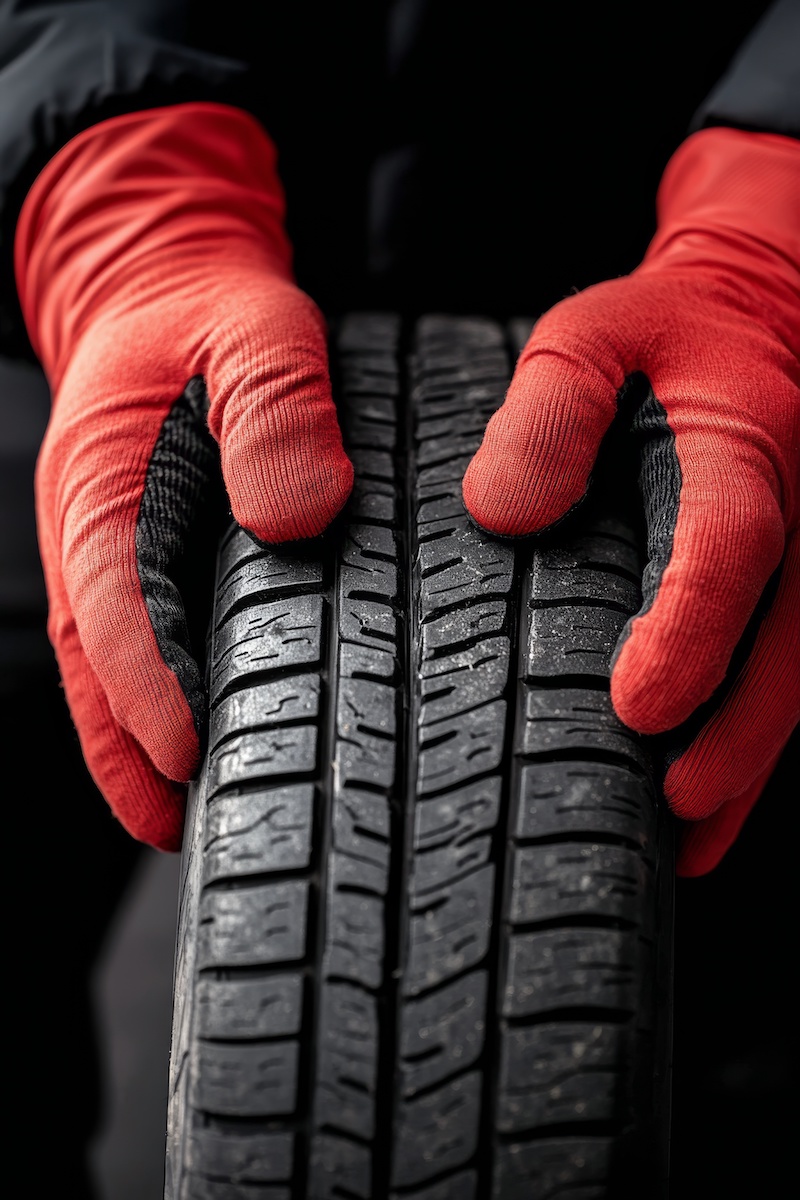
Tire maintenance costs about 9.68 cents per mile. This covers routine checks and replacements. Underinflated tires can cut lifespan by 20%, so regular pressure checks protect your investment. To cite an instance, a tire rated for 60,000 miles might only reach 48,000 miles without proper care.
Prevention of major tire issues
Regular checks catch problems early and help you avoid repairs that can get pricey while making tires last longer. Professional tire rotations range from $25 to $120. This saves money compared to replacing tires too soon:
- Better fuel efficiency up to 3.3%
- Longer tire life when rotated every 5,000-7,500 miles
- Protection from alignment-related wear
- Quick detection of safety risks
Your first line of defense against unexpected road troubles starts with regular tire checks during oil changes. These inspections are not optional add-ons but valuable opportunities to protect your investment and ensure safety. Professional assessments paired with simple home maintenance can extend your tire life by up to 20% and improve fuel efficiency by 3.3%.
Your tires affect vehicle safety, handling, and fuel economy directly. Regular checks during maintenance help you catch problems before they start and end up saving time and money. Your tires will deliver reliable performance throughout their intended lifespan with consistent care and professional oversight.
 About Mobil 1 & Chinden Lube Express in Garden City, Idaho
We are your local, family-owned go-to oil change shop in the Boise area. Owner Sean Winston operates two Mobil 1 and Chinden Lube Express locations in the Treasure Valley for your convenience – both on Chinden in Garden City. We make it easy to get your vehicle in and out for a high quality quick lube oil change using Mobil 1 products. Mobil 1 Lube Express Boise is a local family-owned company specializing in fast, accurate and personalized service. For more information, call today for an appointment 208-375-7672.