
 What Does Your Oil Filter Actually Do?
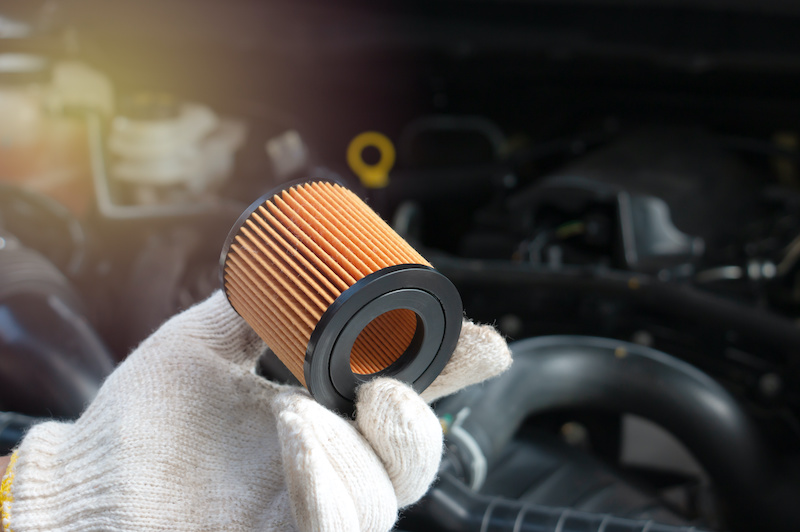
An oil change gets plenty of attention. But fresh motor oil represents only half of the equation. As oil circulates through an engine, it picks up microscopic metal particles, carbon, dirt, and other contaminants that you don’t want repeatedly traveling across critical engine components. The oil filter helps remove that debris while allowing enough oil to flow freely through the engine.
Inside that relatively small filter, several components work together to protect the engine under changing temperatures and driving conditions. Understanding what they do also explains why the filter deserves more consideration than simply choosing the least expensive option available.
Your Engine Produces Contaminants
Normal engine operation creates unwanted material over time. Combustion produces byproducts, while ordinary wear can release microscopic metal particles and other debris into the oil. Dust, carbon, soot, and additional contaminants may also accumulate as oil circulates.
Without effective filtration, abrasive particles could repeatedly travel through oil passages and across moving components. Over time, that contamination can contribute to unnecessary engine wear. The filter traps unwanted material while allowing lubricating oil to continue circulating where the engine needs it.
 Filtration Media Does the Heavy Lifting
Inside the filter, specially designed media captures contaminants as oil passes through it. Although the material may resemble folded paper, manufacturers may use cellulose, synthetic fibers, or combinations of materials engineered to provide effective filtration without excessively restricting oil flow.
Manufacturers fold this material into pleats to create more surface area within a compact filter. Greater usable surface area generally allows the filter to hold more contaminants before restriction becomes a concern.
Quality can vary significantly, however. Filters may differ in the amount and type of media they contain, their contaminant capacity, internal construction, and intended service interval.
Oil Flow Matters as Much as Filtration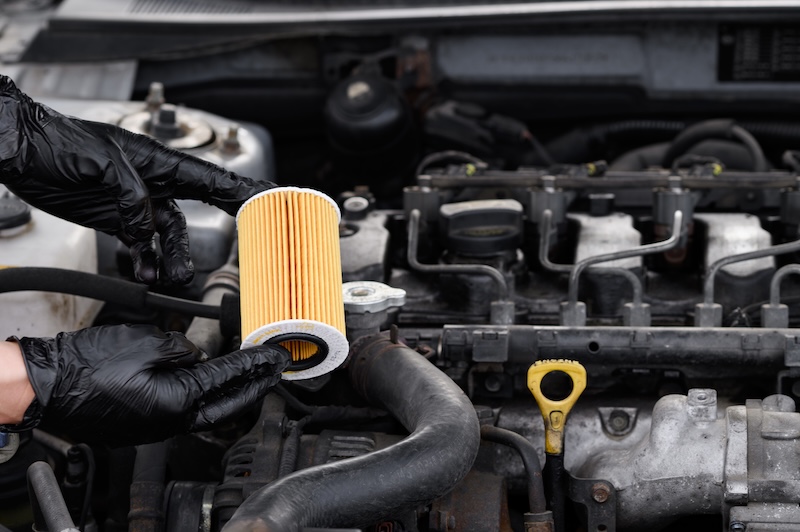
Catching every microscopic particle might sound ideal, but an extremely restrictive filter could create another problem. Your engine needs a steady supply of oil to lubricate moving components. Engineers therefore balance filtration efficiency with adequate oil flow. That balance becomes particularly important during a cold start because cold oil moves less easily than oil at normal operating temperature.
The filter must remove harmful contaminants without preventing the engine from receiving the lubrication it needs.
A Bypass Valve Provides Additional Protection
 One important component inside many oil filters comes into play when oil cannot move through the filtration media quickly enough. Known as the bypass valve, it allows oil to continue circulating under certain conditions. Extremely cold oil, for example, may initially move slowly through the filter. A severely contaminated or overdue filter can also become restricted. When pressure reaches a specified level, the bypass valve allows oil to flow around the media.
Sending temporarily unfiltered oil through the engine may not sound ideal, but maintaining lubrication takes priority. Oil flow protects critical components from the much more immediate danger of operating without adequate lubrication.
The Anti-Drainback Valve Helps During Startup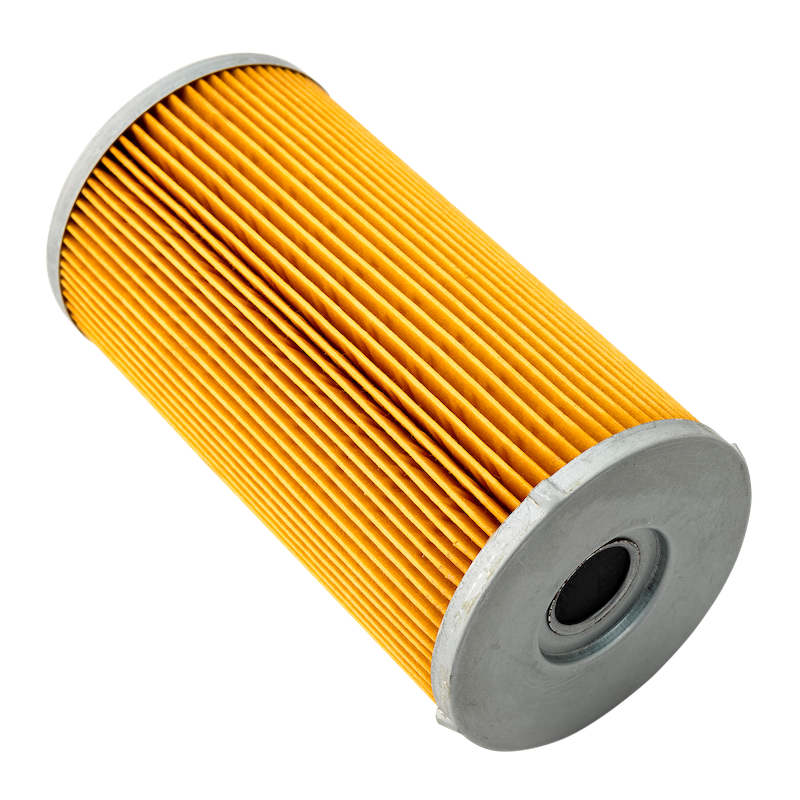
 Another small but important component can help retain oil inside the filter after you shut off the engine. The anti-drainback valve prevents oil from draining out of the filter and certain passages in applications where that could otherwise occur.
Without this protection, some engines could experience a delay in oil pressure while the filter refills during startup. Over thousands of starts, those brief delays can contribute to additional wear.
Filter orientation and engine design determine how important this feature becomes, which provides another reason to use the correct filter for the specific vehicle.
Cheap and Quality Filters Aren’t Always the Same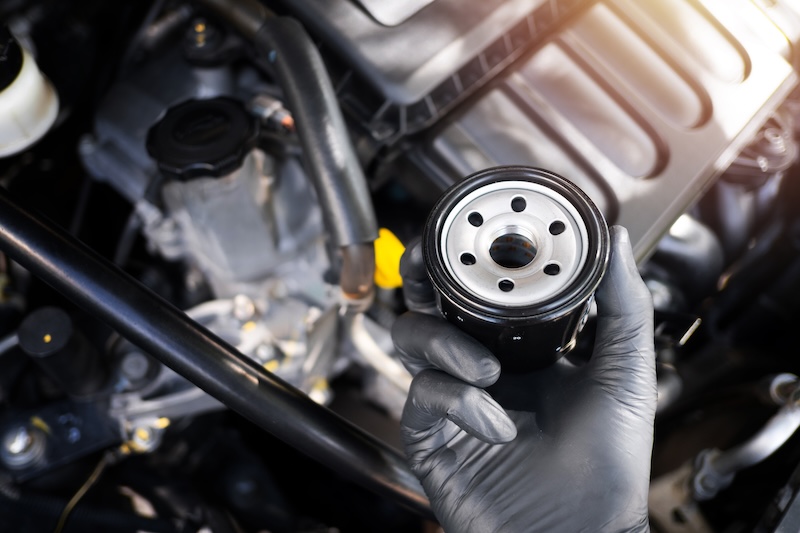
Drivers often spend time choosing a motor oil and then treat the filter as an afterthought. However, even premium oil needs a filter capable of handling the vehicle’s operating conditions and recommended service interval. Price alone does not determine quality, and an inexpensive filter is not automatically inadequate. Nevertheless, filters can differ in filtration media, capacity, valve materials, sealing components, and internal construction.
Those differences become especially important when a vehicle uses synthetic oil with a longer change interval. The filter needs enough capacity and durability to perform properly throughout that entire period.
Clogged Filters Can No Longer Work Effectively
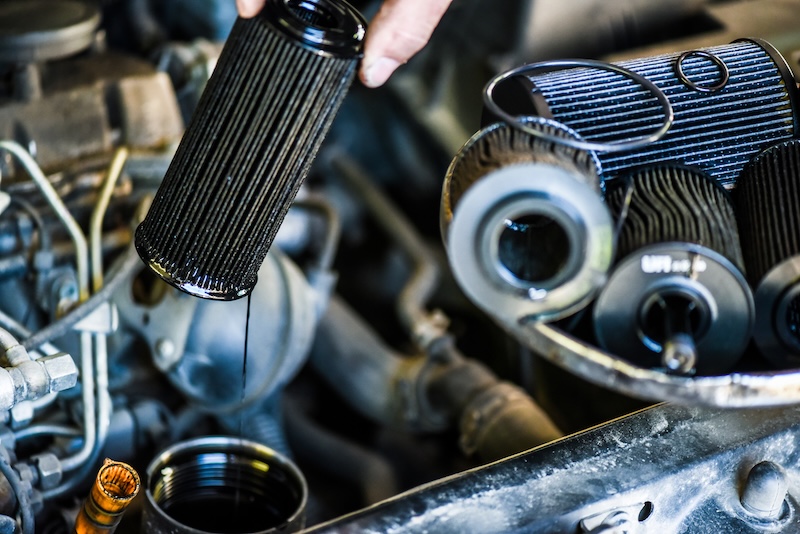
 Every oil filter has a finite capacity. As its media collects contaminants, oil eventually has more difficulty passing through it. If restriction becomes severe enough, the bypass valve may open more frequently, allowing oil to circulate without filtration. Regular oil and filter changes help prevent that situation. Even when engine oil does not appear excessively dirty, the filter may contain contaminants that you cannot see. Meanwhile, heat, oxidation, moisture, fuel dilution, and normal operation gradually affect the oil itself.
Replacing the oil and filter together restores both fresh lubrication and filtration capacity.
Modern Engines Place Greater Demands on Oil
Today’s engines often produce impressive power from relatively small packages. Turbochargers, direct injection, variable valve timing, cylinder deactivation, and other technologies improve performance and fuel economy, but they can also increase the importance of proper lubrication.
Small oil passages and sophisticated components depend on consistent oil pressure and flow. Contaminated oil can interfere with those systems, while inadequate filtration may allow additional debris to circulate.
Using the manufacturer’s recommended oil along with an appropriate quality filter therefore plays an important role in preventive maintenance, particularly as engine technology becomes more complex.
Give Your Oil Filter the Attention It Deserves
Compared with many automotive components, an oil filter costs relatively little. Yet every time you start your vehicle, it performs an essential job. It captures contaminants, supports clean oil circulation, and uses internal components to help maintain lubrication under changing operating conditions.
At Mobil 1 Oil Change & Chinden Lube Express, we focus on good preventive maintenance, which involves more than draining old oil and pouring in new oil. We consider the vehicle, mileage, oil requirements, filter needs, and overall condition so drivers can make informed maintenance decisions.
The next time your vehicle needs an oil change, remember that the filter isn’t simply an accessory attached to the engine. It plays an important role in helping fresh oil protect the engine mile after mile.
About Mobil 1 Oil Change & Chinden Lube Express in Garden City, Idaho
Mobil 1 Oil Change & Chinden Lube Express proudly serves drivers throughout Garden City, Boise, Meridian, Eagle, and the greater Treasure Valley. As The Auto Fluid Experts, the locally owned team provides more than fast oil changes—they offer transmission services, differential services, cooling system maintenance, filters, belts, wiper blades, tire rotations, and many other preventive maintenance services for domestic, Asian, and European vehicles. Every visit includes the shop’s famous 23-Point Inspection, and qualifying services are reported to CARFAX to help maintain your vehicle’s service history. Whether your car is brand new or has well over 100,000 miles, Mobil 1 Oil Change & Chinden Lube Express helps keep it running at its best.