Modern vehicles are complex machines with numerous systems working together. Understanding car dashboard symbols and meanings is crucial for every driver to ensure safe and efficient operation. These indicators provide vital information about your vehicle’s performance, safety features, and maintenance needs.
In this blog, we cover various aspects of dashboard lights. We’ll explain the color coding of warning lights, including yellow and red indicators. You’ll learn about common engine lights, ABS warnings, and oil pressure signals. We’ll also explore safety system indicators and general maintenance alerts. By the end, you’ll have a clear understanding of your car’s dashboard and what each symbol means for your vehicle’s health and safety.
Understanding the Color Coding of Dashboard Lights
Car dashboard symbols and meanings are essential for every driver to understand. The color coding of these lights serves as a quick visual guide to the urgency of the issue at hand. Let’s break down what each color signifies and how you should respond.
Red Dashboard Lights: Urgent Attention Required
Red warning lights on your dashboard are the most serious and demand immediate action. They indicate a safety issue or a major problem with your vehicle. If you see a red light while driving, it’s best to pull over safely and address the issue right away. Some common red warning lights include:
Brake System Warning are part of the Dashboard Lights System
 This could mean low brake fluid or a problem with your brake components.
Engine Oil Pressure
Low oil pressure can cause severe engine damage if not addressed promptly.
Engine Temperature
An overheating engine needs immediate attention to prevent costly repairs.
Battery: This light suggests your battery isn’t charging properly.
Yellow/Orange: Service Needed Soon
 Yellow or orange lights are advisory signals. They indicate that something needs attention, but it’s not an immediate emergency. You can continue driving, but you should have the issue checked out soon:
Check Engine Light
This could indicate various engine or emissions system issues.
ABS Warning
There might be a problem with your anti-lock brake system.
Tire Pressure
One or more of your tires may be underinflated.
Green/Blue: System Functioning Normally
 Green or blue lights are typically informational. They let you know that a particular system is on and working as it should:
High Beam Headlights
This blue light indicates your high beams are active.
Cruise Control
A green light shows that cruise control is engaged.
Common Engine and Performance Warning Dashboard Lights
The check engine light is one of the most crucial car dashboard symbols and meanings to understand. This yellow engine-shaped sign typically appears when the onboard diagnostics system detects a malfunction in the emissions, ignition, fuel, or exhaust system. It could signal anything from a loose gas cap to more severe engine damage.
If the check engine light comes on while you’re driving, don’t panic. Try to pull over safely and seek roadside assistance if necessary. It’s best to have a mechanic perform a diagnostic test to identify the source of the problem. Ignoring this warning could lead to more serious issues down the road.
The oil pressure warning light, often resembling an oil can, is another important indicator. When this light illuminates, it means your engine’s oil pressure is low. This could be due to low oil levels, high oil viscosity, or even engine damage. If you see this light, pull over as soon as it’s safe and check your oil level. If it’s low, top it off and see if the light goes off. If not, it’s time to contact a mechanic.
The engine temperature warning light, usually depicted as a thermometer, signals that your engine is overheating. This could be caused by issues with the coolant system, such as low coolant levels or a malfunctioning water pump. If this light comes on, pull over immediately and turn off the engine to prevent serious damage. Allow the engine to cool before checking coolant levels or seeking professional help.
Safety System Indicators
Modern vehicles come equipped with various safety systems to protect drivers and passengers. Understanding these car dashboard symbols and meanings is crucial for maintaining your vehicle’s safety features. Let’s explore some key safety system indicators you might encounter on your dashboard.
Airbag Indicator
The airbag indicator is a critical safety feature in all cars today. It typically appears as a person sitting with a large circle in front, representing the airbag. If this light comes on, it signals a problem with the airbag system. This could mean issues with the sensors that detect crashes, or a malfunction in the airbag deployment mechanism. When this light stays on, it’s time to have your car checked by a professional. Your airbags might not deploy in case of an accident, putting you at risk.
ABS (Anti-lock Braking System) Warning
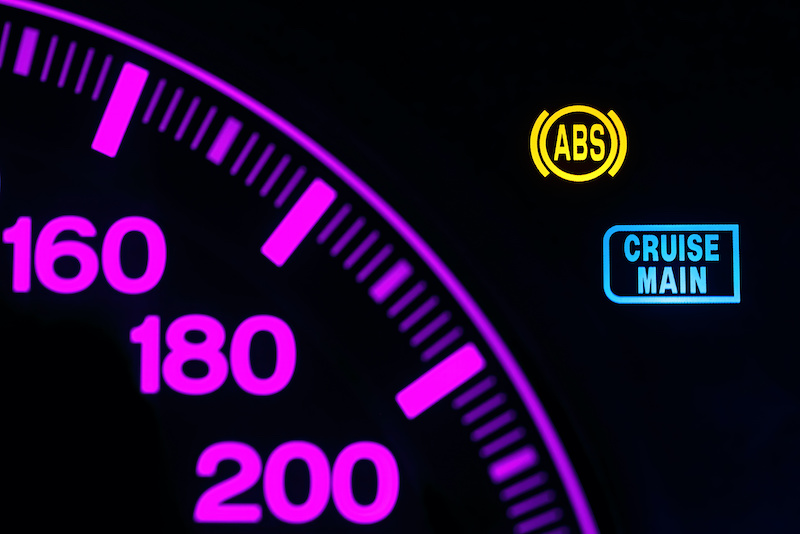 The ABS warning light is another important safety indicator. It usually appears as “ABS” on your dashboard. This system prevents your wheels from locking up during hard braking, helping you maintain control of your vehicle. If the ABS light comes on, it doesn’t mean your brakes have failed, but rather that the anti-lock function isn’t working correctly. You can still brake, but your wheels might lock up under heavy braking, especially on slippery surfaces. This could make it harder to stop safely, so it’s best to have your ABS checked as soon as possible.
Traction Control Dashboard Lights
The traction control light often looks like a car with squiggly lines behind it. This system helps maintain grip on slippery roads by detecting wheel spin and adjusting power accordingly. If this light flickers, it usually means the system is actively working to maintain traction. However, if it stays on constantly, it could indicate that the system is either turned off or malfunctioning. While it’s safe to drive in normal conditions with this light on, be extra cautious in wet or icy weather.
Maintenance and General System Indicators in Dashboard Lights
Battery Warning Light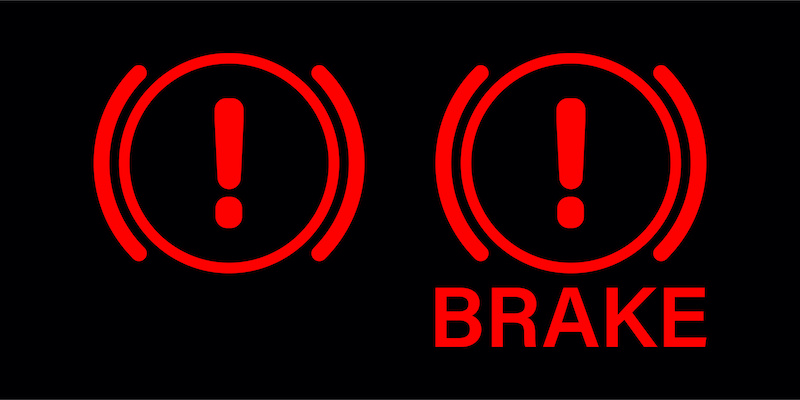
The battery warning light, often shaped like a battery, is a crucial indicator on your car dashboard. When this light comes on, it suggests a problem with your vehicle’s charging system. This could mean issues with the battery itself, the alternator, or the voltage regulator. If you notice this light while driving, your car might be running solely on battery power, which won’t last long. It’s best to have your vehicle checked promptly to avoid being stranded.
Tire Pressure Monitoring System (TPMS)
The TPMS light, usually resembling a tire cross-section with an exclamation point, is a vital safety feature. It alerts you when one or more of your tires are significantly under- or over-inflated. Proper tire pressure is crucial for safe driving, fuel efficiency, and tire longevity. If this light comes on, check your tire pressures as soon as possible and adjust them to the recommended levels. Ignoring this warning could lead to uneven tire wear, reduced handling, or even a blowout.
Low Fuel Indicator
The low fuel indicator, typically shaped like a fuel pump, is one of the most recognizable car dashboard symbols and meanings. It lights up when your fuel level is getting low, usually when you have about 30 to 50 miles of driving range left. While it might be tempting to push your luck, it’s best to refuel soon after this light appears. Running on a near-empty tank can damage your fuel pump and potentially leave you stranded.
About Mobil 1 & Chinden Lube Express in Garden City, Idaho
We are your local, family-owned go-to oil change shop in the Boise area. Owner Sean Winston operates two Mobil 1 and Chinden Lube Express locations in the Treasure Valley for your convenience – both on Chinden in Garden City. We make it easy to get your vehicle in and out for a high quality quick lube oil change using Mobil 1 products. Mobil 1 Lube Express Boise is a local family-owned company specializing in fast, accurate and personalized service. For more information, call today for an appointment 208-375-7672.